


Foreign tourists visiting Busan gave high marks to the city's natural environment and the kindness of its citizens, while expressing inconvenience with basic tourism infrastructure such as a lack of trash cans and restroom cleanliness, a study showed.
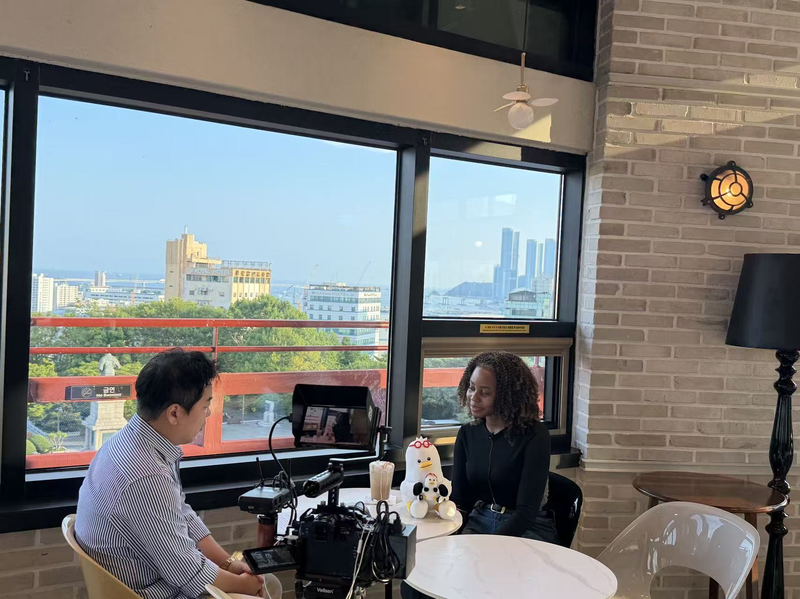
On the 2nd, Busan City announced the results of in-depth interviews conducted with 34 foreign tourists at major tourist spots including Haeundae and Gamcheon Culture Village from the 22nd to the 24th of last month. According to the survey, respondents positively evaluated the nature blending sea and mountains, gastronomy, and the friendliness of citizens, citing them as main factors for revisiting.
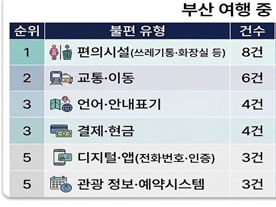
However, calls for improvement followed regarding convenience facilities and infrastructure. A total of 25% of respondents pointed out 'lack of public trash cans and unclean public restrooms' as the biggest inconvenience. This was followed by 'transportation inconveniences such as insufficient promotion of transportation card recharging and subway passes' (18.8%), 'inadequate multilingual route maps and incomplete map translations' (12.5%), 'payment inconveniences such as lack of credit card support' (12.5%), and 'complexity of identity verification and reservation procedures' (9.4%).
Inconveniences also varied by nationality. Chinese-speaking tourists, who showed a high preference for long-term stays, demanded living-oriented services such as expanding places that accept WeChat Pay and Alipay, improving foreign identity verification for public bicycles, and ease of using restaurant delivery apps. Japanese tourists pointed out hygiene issues such as restroom cleanliness, cigarette butts around restaurants, and sewage odors in the Seomyeon area. On the other hand, European and American tourists criticized the lack of Busan tourism information on Google Maps and the low awareness of the foreign-exclusive 'Visit Busan Pass'.
Busan City plans to share the identified problems with relevant departments and district offices for immediate improvement. As soon as the 3rd supplementary budget is passed by the city council, trash cans will be preferentially placed at major tourist spots. In addition, to collect on-site inconveniences that are difficult to grasp through quantitative data, the city plans to regularize in-depth interviews targeting foreigners starting next year.