


- Ministry of Land, Infrastructure and Transport pushes for LH to have priority purchase of leftover units from unranked subscriptions in Seoul metropolitan regulated areas
- Justified as preventing overheated market gains, but criticized for fundamentally blocking homeless people's chances of owning a home
- 1,600 leftover units under 85㎡ in the metropolitan area over the past year... Law revision announced by year-end
- "Driving citizens into eternal monthly rent?"... Growing backlash against public takeover of private supply
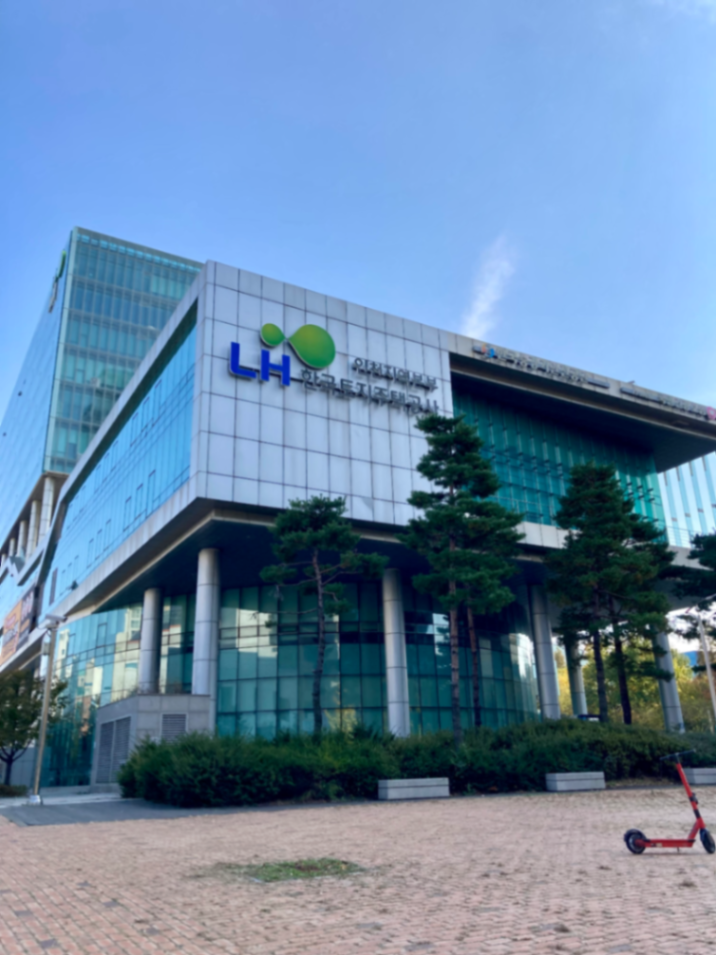
It is projected that the Korea Land and Housing Corporation (LH) will soon sweep up so-called 'unranked subscription (jjup-jjup)' units, which have been called the last ladder to homeownership for homeless working-class citizens. While the stated justification is to calm the overheated subscription market, fierce backlash is rising that the public sector is depriving genuine homebuyers of the opportunity to own their homes.
On the 13th, the Ministry of Land and Infrastructure and Transport and other related ministries announced through the 'Plan for Rapid Housing Supply to Stabilize Jeonse, Monthly Rent, and Sales Markets' that if leftover units occur in private housing developments within regulated areas of the Seoul metropolitan region, LH will prioritize purchasing them and convert them into 'universal public rental housing'. This measure aims to fundamentally block the existing unranked subscription system from degenerating into a 'lotto' where hundreds of thousands flock just for a chance to win hundreds of millions of won in market profits.
According to the Ministry, over the past year (from June of last year to May of this year), leftover units with a dedicated area of 85㎡ or less in the Seoul metropolitan regulated areas amounted to about 1,600 households, and the government plans to complete the relevant legislative revisions by the end of the year.
However, cynicism and concern are intermingled in the market. Critics point out that the measure to forcibly convert private pre-sale units into rentals goes against stabilizing the metropolitan market, which is suffering from a housing supply drought. In addition, while blocking general citizens' market gains by defining them as 'speculation', criticism is being raised that allowing the public institution LH to monopolize leftover units at low prices is another form of preferential treatment under the guise of public good.
Amid complaints from demanders asking, "Are you planning to make all citizens live in monthly rental housing?", controversy over whether this measure—which fundamentally blocks private asset-building opportunities—can be effective is expected to persist for some time.