


- Finally selected for the 2026 support project hosted by the Ministry of Science and ICT and KISA... Up to KRW 3.24 billion to be invested over 6 years
- Intensive cultivation of practical security experts to respond to cyber infringement incidents in the shipping, port, and shipbuilding industry fields
- Major research institutions such as KIOST and Korean Register join industry-academic cooperation... Major expansion of information protection clubs
- Professor Lee Dae-sung, project director, stated, "We will foster world-class global cybersecurity talent"
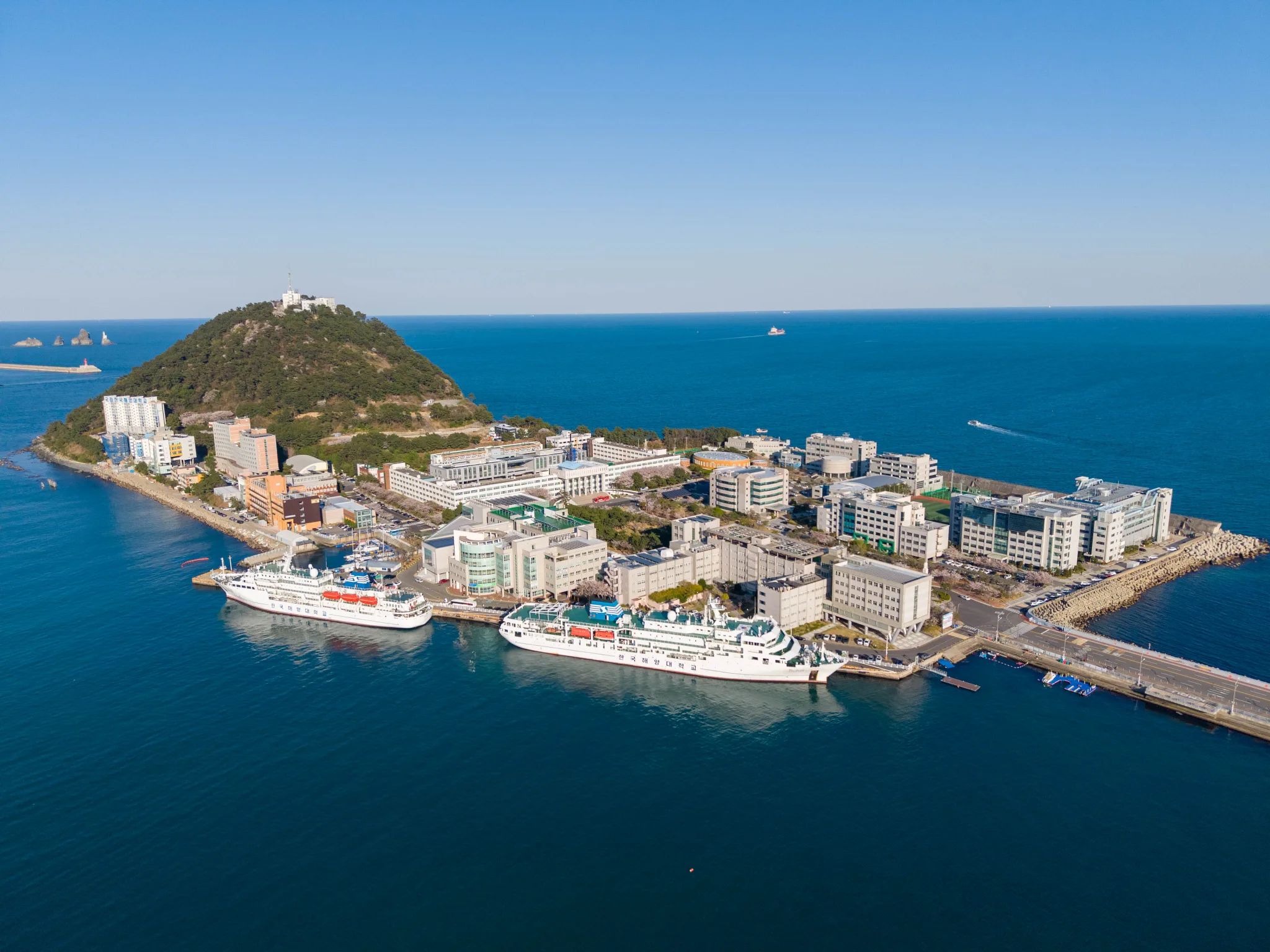
Korea Maritime & Ocean University (President Ryu Dong-keun) has been finally selected as a recipient of the '2026 Information Protection Specialized University Support Project' hosted by the Ministry of Science and ICT and the Korea Internet & Security Agency (KISA). It has established the country's first foundation at a university to train practical security personnel to counter frequent cyber infringement incidents in the shipping, port, and shipbuilding industries.
Through this agreement signing, Korea Maritime & Ocean University has secured a massive budget for a maximum of 6 years from 2026 to 2031. Combined with KRW 2.7 billion in government contributions and KRW 540 million in private matching funds, the total scale amounts to KRW 3.24 billion. On an annual basis, KRW 450 million in government funds and KRW 90 million from the private sector will be injected into the educational field. The core objective is to establish a specialized cybersecurity education system targeting maritime officers and marine personnel.
External related organizations will also join to complete practice-oriented education tailored to the field. For the purpose of establishing a robust maritime industry-academic cooperation network, the Korea Institute of Ocean Science and Technology (KIOST), Korean Register (KR), and Korea Research Institute of Ships and Ocean Engineering (KRISO) have decided to participate. Internally, the university plans to further expand the scale and role of the existing information protection club within the College of Maritime Sciences.
Professor Lee Dae-sung of the Division of Maritime AI and Cyber Security (President of the Korea Institute of Information and Communication Engineering), who is the general director of the project, cited accumulated research achievements such as the development of ship vulnerability tools, analysis and response to maritime cyber safety accidents, and the development of cyber training content as the driving force of the project. Based on his related experience, Professor Lee expressed his ambition to foster world-class global cybersecurity talent in this field.