



- Hit by Kospi and Kosdaq plunge after June launch… valuation of some sub-funds plummets to 'zero won'
- Flood of criticism on social media targeting policy structure: "Covering others' investment losses with my taxes?"
- Second round of 600 billion won recruitment scheduled for September, raising concerns of 'passing the bomb' as quota for ordinary citizens expands by 50%
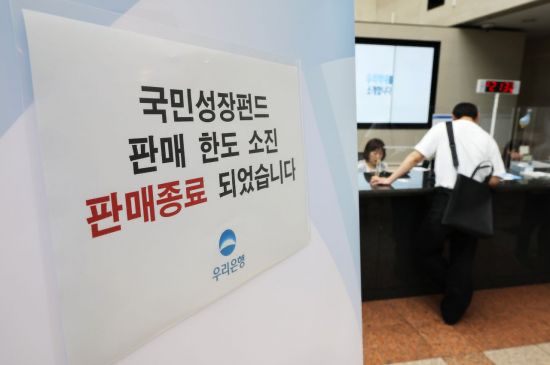
The 'Citizen-Participatory National Growth Fund', which recorded sell-outs immediately after its launch, has entered the principal loss zone in less than two months due to the plunge in the domestic stock market. Amidst a structure where up to 20% of the fund's losses are preferentially covered by government finances, fierce criticism of 'wasting blood taxes' is pouring in online, and warning lights have also turned on for the box-office success of the second recruitment scheduled for next September.
According to the Korea Financial Investment Association and other sources on the 5th, the base price of the funds managed by Mirae Asset, Samsung, and KB Asset Management stood at approximately 979 won as of the 4th, falling about 2% from the initial setup price (1,000 won). This is the result of the Kospi and Kosdaq indices plunging by more than 20% and 24%, respectively, since the fund was established on June 12. In the case of some sub-funds with high proportions of unlisted company and Kosdaq investments, yields plummeted up to -20%, and it was confirmed that one fund with a setup amount of 7.7 billion won currently has a valuation of 0 won. On social media and other platforms, actual account certifications recording a -4.47% loss on an investment of about 15 million won are continuing.
This fund is a policy-type fund created by combining 600 billion won of general public funds and 120 billion won of government finances. It was designed with a structure where, in the event of a loss, government finances participate as junior investors to absorb about 20% of the losses first. However, as the fact that the initial losses of this fund, launched under the initiative of President Lee Jae-myung, will ultimately be covered by public taxes is re-examined, taxpayers' complaints are growing, asking, "Why should my taxes prevent others' investment failures?"
Financial authorities plan to push ahead with the recruitment of a second round of funds worth 600 billion won as early as next month. In the second recruitment, the plan is to drastically expand the proportion of exclusive quotas for ordinary citizens with earned income of 50 million won or less from the existing 20% to 50%, but critics point out that forcibly attracting funds from the working class in a declining market could mass-produce serious damage. In addition, the possibility that disappointed selling will flood out when the first-round fund is listed on the Korea Exchange in September cannot be ruled out, so the fallout from the situation is expected to grow even larger.