

US USTR Invokes Section 301 Tariffs for the First Time Targeting 60 Countries… Effective from the 24th at Midnight
South Korea Classified as 'Inadequate Response' Nation Along with Japan and Australia… Contrast with India Defending 10%
A 'Bill' Replacing Expired Global Tariffs… Trade Authorities' Lack of Preparation Under Fire
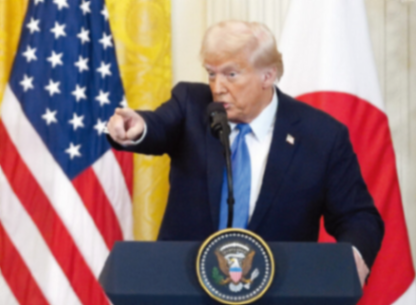
The Donald Trump administration has raised global trade barriers once again by finalizing 'forced labor tariffs' targeting 60 countries worldwide. In particular, South Korea was classified as a nation lacking legal and institutional mechanisms to block forced labor imports, effectively facing the maximum tariff rate of 12.5%.
The Office of the United States Trade Representative (USTR) announced on the 23rd (local time) that it has finalized tariffs of 10% to 12.5% on 60 countries based on Section 301 of the Trade Act. This measure is the first tariff imposed by the Trump administration under Section 301 and takes effect immediately starting at 12:01 AM on the 24th, Korean time. Section 301 of the Trade Act is a provision allowing the US government to take retaliatory measures if it determines there are unfair practices against US companies.
The core criterion for this tariff determination was whether or not there is a 'ban on the import of goods related to forced labor.' 17 countries, including Canada, Mexico, the United Kingdom, and India, which have banned forced labor products or promised to do so, were confirmed for a 10% tariff. India, which was initially subject to the 12.5% rate, swiftly supplemented its system before the final announcement to have its tax rate lowered.
On the other hand, South Korea, along with Japan and Australia, was classified as a country without or with insufficient prohibition measures, and was subjected to a 12.5% tariff. This is where criticism is being raised that our government and trade authorities lacked preemptive institutional arrangement and diplomatic response.
USTR Representative Jamieson Greer pressured, "Despite decades of persuasion, forced labor has not been eradicated from global supply chains. The US has banned the import of forced labor products for nearly 100 years, and now it is time for our trading partners to take the same action."
This measure strongly resembles a replacement for the 'reciprocal tariffs' invalidated by the US Supreme Court's unconstitutional ruling last February and the 10% 'global tariffs' expiring at midnight on the 24th. While the Trump administration has extended and strengthened de facto universal tariffs under the guise of human rights issues, the impact and economic fallout on domestic export companies hit directly by the 12.5% tariff appear inevitable.