



- Points out limitations of manpower-centric infantry system amid low birth rate fallout at senior secretaries meeting
- Officially pushes for 'selective conscription' to build a smart, elite military centered on technology and advanced equipment
- Redesigns service compensation system so military experience serves as a stepping stone for education, jobs, and asset building
- Orders drastic improvement in treatment of junior officers to appease youth sentiment and overhaul national defense structure
As the military manpower cliff phenomenon caused by the low birth rate shock becomes a reality, the government has formalized the introduction of a 'selective conscription' system to completely overhaul the troop reinforcement system. The intent is to swiftly transition the national defense structure into a smart, elite military based on technology and advanced equipment, moving away from the conventional manpower-centric infantry structure that relied solely on conscription.
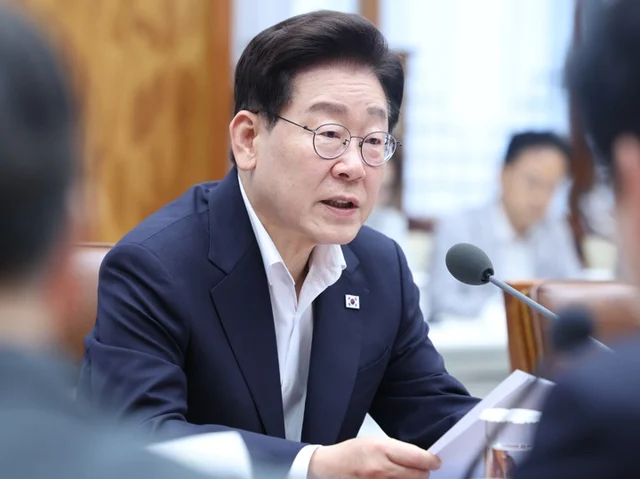
On the 13th, President Lee Jae-myung presided over a senior secretaries meeting at the Blue House and instructed relevant ministries to proceed without a hitch with the selective conscription system, stating, "Due to sustained low birth rates, maintaining the current manpower-centric and infantry-centric military structure is both impossible and undesirable."
President Lee mentioned the aspects of future warfare dominated by real-time information analysis and cutting-edge weapon systems, urging that national defense as a whole be rapidly reorganized around technology and equipment. The analysis is that discarding the old-fashioned national defense model of mobilizing massive manpower and transforming into an advanced science-and-technology military is an urgent national security task.
In particular, the redesign of the service compensation system to mitigate the shock of military service for the youth generation was emphasized. President Lee ordered the meticulous preparation of policies so that military service is not perceived by young people as a 'waste or loss of life,' but rather allows military experience to serve as a stepping stone for quality education, stable jobs, and asset formation. In addition, he added that the treatment of junior officers should be improved boldly and at a rapid pace to boost morale.
This defense reform plan is interpreted as reflecting a state governance philosophy aimed at proactively responding to severe demographic structural changes while simultaneously resolving the sense of relative deprivation among the youth regarding military service. Attention is focused on whether the government's selective conscription vision can successfully settle down without a security vacuum.