


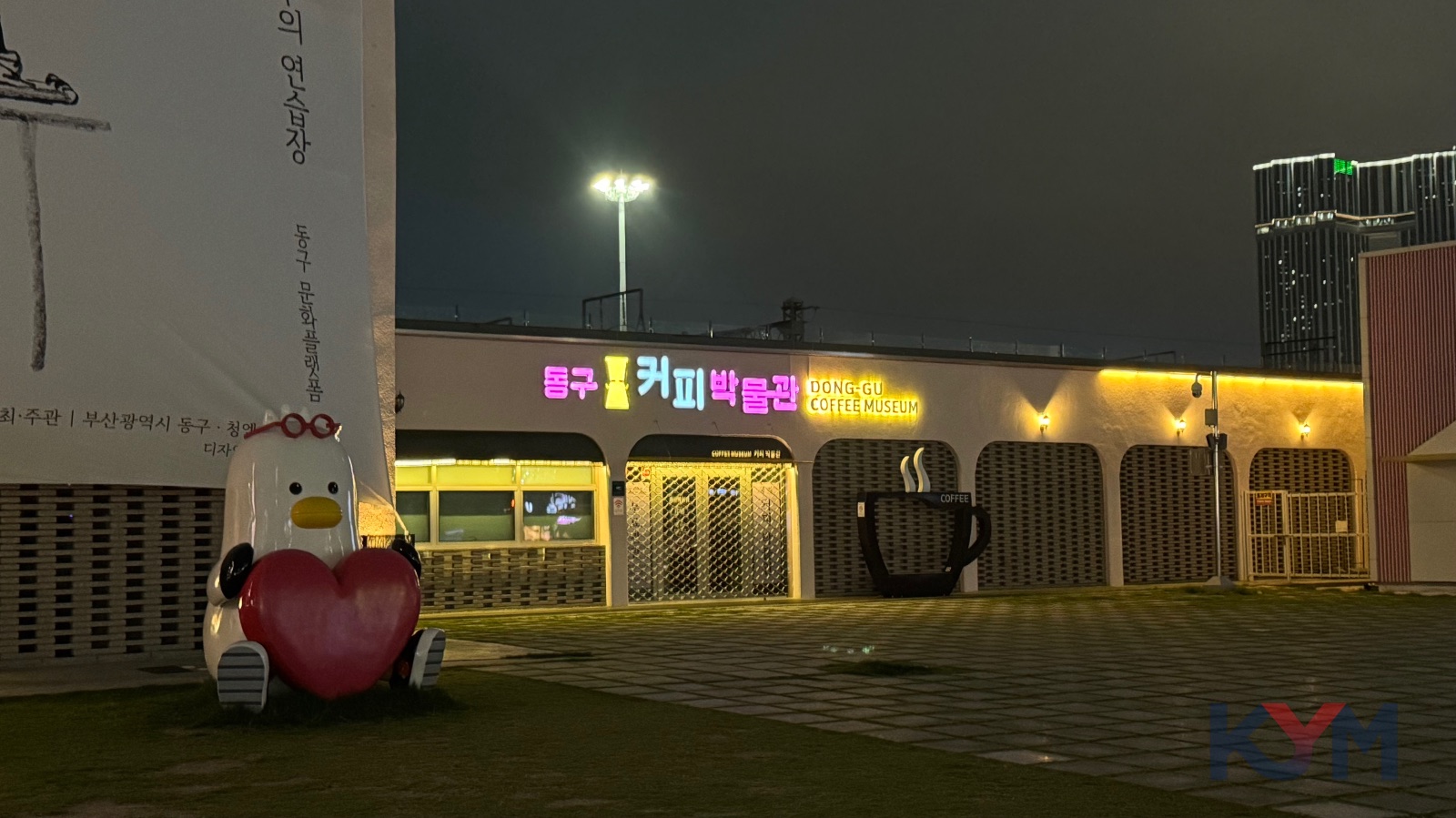
The International Coffee Museum, known as the 'country's only public coffee museum' located in the former Busan Jin Station in Dong-gu, Busan, will cease operations at the end of December. This is the fallout from the recently finalized project to build a temporary home for the Busan Maritime and Fisheries Court (Maritime Court). As local cultural assets are being sacrificed behind the national achievement of strengthening Busan's status as a maritime capital, questions are being raised about the policy consistency of the Busan Metropolitan Government, which has been attempting to diversify its brand.
■ The Shadow Behind 'Attracting the Maritime Court'… Controversy Over Unilateral Demolition of Civic Cultural Infrastructure
On June 24, the Supreme Court's Court Building Construction Deliberation Committee selected the Dong-gu Cultural Platform (Civic Yard) as the site for the temporary headquarters of the Maritime Court, scheduled to open in March 2028. With the decision to comprehensively remodel the space to perform court functions, the International Coffee Museum, which has occupied the space, is facing forced eviction upon the expiration of its consignment contract this coming December.
This space is a key cultural hub in the old downtown area that opened in 2022 after remodeling the former Busan Jin Station, which had been abandoned since its closure in 2005. In particular, it is a public museum established when a citizen donated free of charge some 2,000 coffee artifacts collected over 40 years, with cumulative visitors reaching 76,000. Its public utility was recognized to the extent that 100 million won in district office budget was injected annually. However, pushed aside by the administrative priority of attracting a government project, its foundation for continuous operation has collapsed overnight.
■ "Festivals are Flowers, Museums are Roots"… Civil Society Points Out Policy Contradictions
Local civil society has launched scathing criticisms against the self-contradiction of the 'Global Coffee City Busan' policy promoted by Busan City. The civic association 'Civic Empathy Preparing for a Future Society' pointed out in an official statement, "A city brand is not completed just because there are many coffee shops and short-term festivals are held."
They criticized that while coffee festivals into which hundreds of millions of won are poured are merely temporary 'flowers' ending in two to three days, a museum is an educational space greeting citizens and tourists year-round and the 'roots' of culture, calling the industrial promotion without the preservation of symbolic hubs a castle built on sand. While welcoming the public achievement of attracting the Maritime Court, they clearly drew the line against administrative expediency that forces the unilateral sacrifice of existing civic public assets.
■ Seeking Win-Win Solutions Through 'Relocation and Expansion' Instead of 'Demolition'
Voices calling for a 'win-win infrastructure reorganization' through spatial rearrangement and relocation rather than demolition without alternatives are gaining traction. Civil society has presented five specific implementation measures for a prompt resolution of the conflict:
1. Formation of a Public-Private-Political Consultative Body: Establishing a new solidarity organization involving Busan City, the Busan City Council, the Dong-gu Office, the donor, civil society, and experts.
2. Designation as a City Public Cultural Asset: Moving beyond management at the district office level to establish a systematic management foundation at the Busan City level.
3. Linkage with Coffee Industry Promotion Policies: Allocating museum vitalization budgets within the city's key promotion policies.
4. Securing Relocation and Expansion Sites: Examining multilateral alternative sites, including relocation to areas outside the old downtown.
5. Establishment of Public Culture Preservation Systems: Establishing administrative measures to prevent the unilateral exclusion of existing resident cultural facilities during the process of creating temporary headquarters.
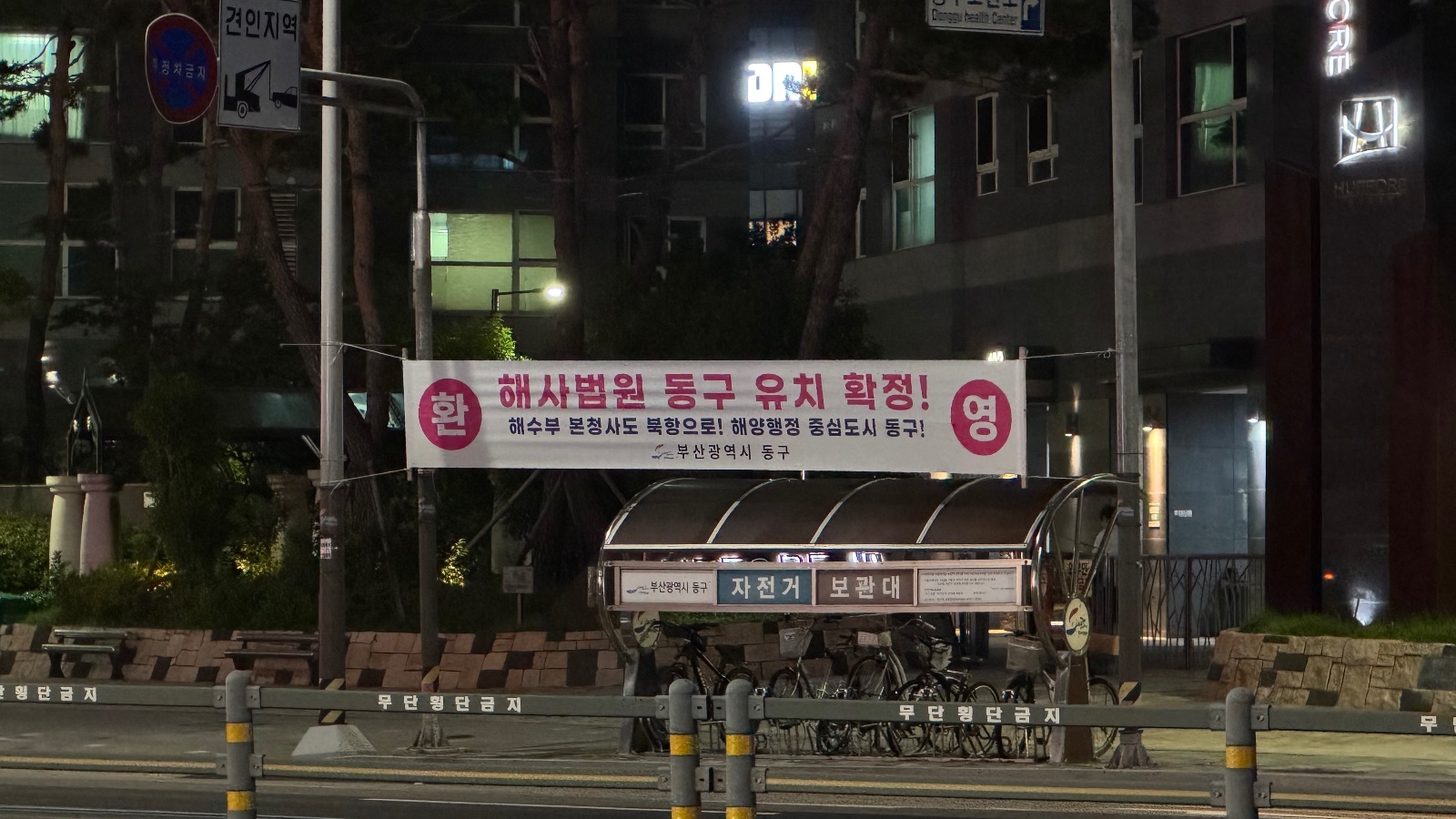
The Dong-gu Office also recognizes the need for city-level countermeasures and plans to send a cooperation official letter to Busan City. Amid a situation where the justification of attracting a national project clashes with the preservation value of local cultural heritage, attention is focused on what kind of policy coordination skills Busan City will demonstrate.
Korea Youth Media Reporter Kim Do-hyung (kimdiagram@kym.io.kr)